
An electrical socket that becomes excessively hot, produces a burning smell or shows burn marks should not be ignored. The problem may be caused by a loose connection, excessive electrical load, a damaged socket or faulty wiring.
If the socket feels only slightly warm after a high-powered appliance has been used, the heat may be coming from the plug or appliance. However, an inspection is still required if the heat is excessive, occurs repeatedly or is accompanied by other warning signs.
📲 Does your socket feel hot or smell burnt? WhatsApp us for an initial assessment.
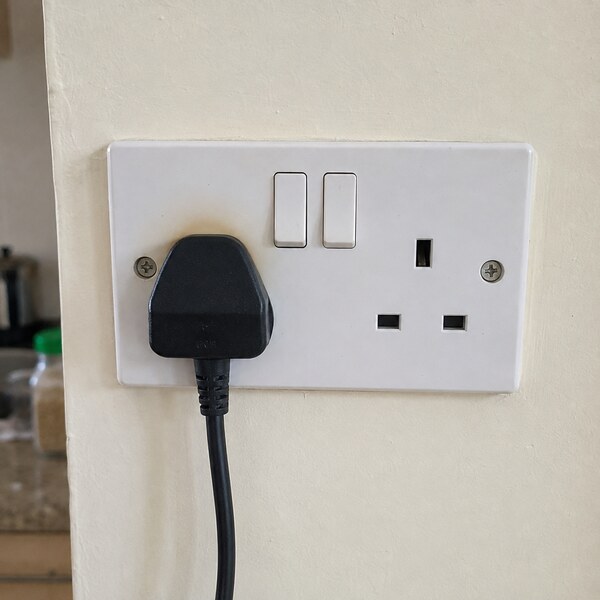
Is It Normal for an Electrical Socket to Become Hot?
The plug of certain high-powered appliances may feel slightly warm after use. However, the socket, plug or surrounding wall surface should not become so hot that it is difficult to touch.
The condition requires attention if:
- The socket becomes hot shortly after an appliance is switched on.
- The heat continues to increase while the appliance is operating.
- The socket remains hot after the appliance is switched off.
- There is a burning smell, buzzing sound or electrical spark.
- The socket surface becomes discoloured, melted or cracked.
- The plug feels loose when inserted into the socket.
- The MCB or RCCB trips when the socket is used.
Do not continue using the socket until the cause of the problem has been identified.
Causes of a Hot Electrical Socket
An electrical socket can become hot for several reasons. The inspection should cover the socket, appliance plug and the circuit supplying that electrical point.
Loose Terminal Connection
The cables behind a socket must be securely connected to its terminals. A loose connection creates higher electrical resistance and can cause heat to build up when current flows through it.
This problem may result from poor installation, a terminal screw becoming loose or prolonged use of an older socket.
Excessive Electrical Load
High-powered appliances such as electric kettles, irons, portable ovens and heating equipment can draw a substantial amount of current.
The risk increases when several appliances are used simultaneously through one adaptor or extension lead. A circuit, socket or connection that is unsuitable for the load may begin to overheat.
Damaged or Worn Socket and Plug
The internal contacts of a socket can become loose or worn after frequent use. A plug that is not held securely may create an unstable electrical connection.
If the plug comes out easily, feels loose or must be moved for the appliance to operate, stop using that socket.
Faulty Appliance Plug
The heat does not necessarily originate from the socket. Plug pins that are dirty, loose or discoloured, or a damaged internal plug connection, may also generate excessive heat.
If the problem occurs only when one particular appliance is used, its plug, cable and electrical condition should also be inspected.
Overloaded Adaptors or Extension Leads
Connecting several adaptors or extension leads together can overload a single electrical point. It also creates additional connections that may become loose or overheat.
High-powered appliances should use a suitable electrical point and should not be shared through an extension lead without sufficient capacity.
Unsuitable Wiring or Circuit Protection
The cable size, wiring condition, MCB rating and installation method must be suitable for the connected load. Adding a socket without checking the existing circuit may cause the electrical system to carry more load than it was designed for.
Older houses or premises that have undergone several renovations may require a more comprehensive wiring inspection.
Warning Signs That Should Not Be Ignored
Stop using the socket if any of the following signs are present:
- A burning or melted-plastic smell.
- Black or brown marks on the socket or plug.
- The socket casing is deformed or beginning to melt.
- Buzzing, hissing or crackling sounds.
- Electrical sparks when the plug is inserted.
- The socket moves or pulls away from the wall.
- The MCB or RCCB trips repeatedly.
- The wall surrounding the socket feels hot.
These signs may indicate a loose connection, electrical arcing, a damaged component or excessive heat. The inspection should not be delayed.
📲 Is there a burning smell or burn mark on the socket? WhatsApp us for an inspection.
What Should You Do If a Socket Becomes Hot?
Prioritise safety and do not open the socket yourself. Follow these steps according to the condition:
- Switch off the appliance and socket if it is safe to do so.
- Remove the plug only if there is no smoke, sparking, melted plastic or extreme heat.
- Do not use the affected socket again.
- Keep flammable materials away from the affected area.
- Switch off the related circuit at the DB box if you can safely identify it.
- Contact a registered electrical contractor for an inspection.
If there is smoke or fire, do not touch the socket and do not use water. Isolate the electricity supply from a safe location if possible and contact the emergency services.
Should You Replace the Socket or Inspect the Wiring?
Replacing the socket may be sufficient if the damage is limited to that accessory and the cables remain in good condition. However, the wiring must be inspected if there are burnt cables, damaged insulation, overheated terminals or a recurring problem after the socket has been replaced.
An electrical contractor may need to inspect:
- The terminal connections behind the socket.
- The condition and size of the cables.
- The electrical load connected to the circuit.
- The MCB rating protecting the socket circuit.
- The connections inside the DB box.
- The plug and appliance being used.
If the house has several old sockets or signs of damage on multiple circuits, an electrical rewiring inspection may be required.
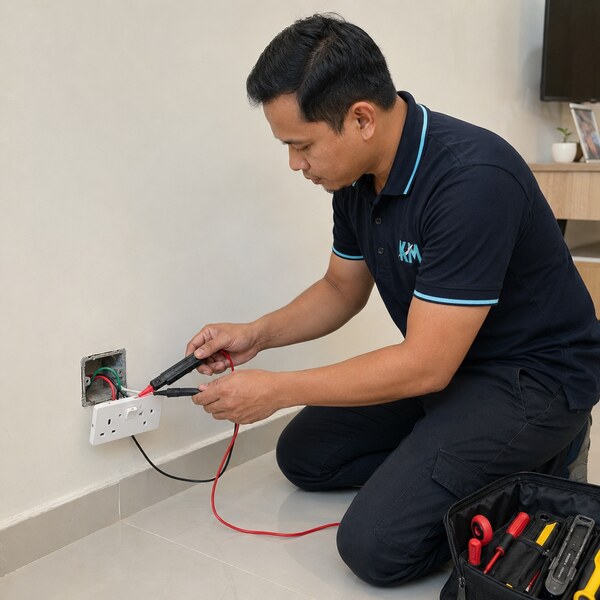
How to Prevent an Electrical Socket from Overheating
- Avoid connecting adaptors in multiple layers.
- Do not connect too many appliances to one extension lead.
- Use dedicated electrical points for high-powered appliances when required.
- Stop using plugs that are loose, cracked or discoloured.
- Do not force an unsuitable plug into a socket.
- Ensure that the socket is securely installed and does not move.
- Arrange an inspection if the MCB or RCCB trips repeatedly.
- Use a registered electrical contractor when installing additional points.
If there are not enough sockets, proper electrical point installation is safer than relying on multiple adaptors and extension leads.
Can a Hot Socket Cause the Electricity to Trip?
Yes. A loose connection, short circuit, faulty appliance or excessive electrical load can cause the MCB or RCCB to disconnect the supply.
However, electrical tripping may also be caused by other problems. Refer to our guide on why home electricity keeps tripping for a more detailed explanation.
If the electricity continues to trip after all appliances have been unplugged, do not reset the breaker repeatedly. Arrange an electrical troubleshooting service to identify the cause.
Frequently Asked Questions
Why does the socket become hot when I use an electric kettle?
An electric kettle uses a high amount of power. The socket may become hot if there is a loose connection, damaged plug, excessive circuit load or worn socket component.
Can I continue using a hot electrical socket?
It is not recommended. Stop using the socket if it becomes excessively hot, produces a burning smell, makes unusual sounds or shows burn marks until an inspection has been completed.
Why does only one plug cause the socket to become hot?
The plug, cable or appliance may be faulty. Both the socket and appliance should be inspected because the heat can originate from either component.
Will replacing the socket solve the problem?
It depends on the cause. If the cables, terminals or circuit are also damaged, replacing only the socket may not be sufficient.
Need an Electrical Socket Inspection?
If a socket becomes hot, produces a burning smell, feels loose or shows burn marks, stop using it until the condition of the socket and its related circuit has been inspected.
📲 WhatsApp us for an inspection of your electrical socket and internal wiring.