
An EV charger that keeps tripping may indicate a problem involving the electrical load, protective device, wiring or the charger itself. The trip may happen as soon as charging begins or only after the vehicle has been charging for a certain period.
Do not repeatedly reset the MCB or RCCB without identifying the cause. The protective device may be disconnecting the electricity supply because it has detected an electrical condition that requires attention.
📲 EV charger keeps tripping? WhatsApp us to arrange an electrical inspection.
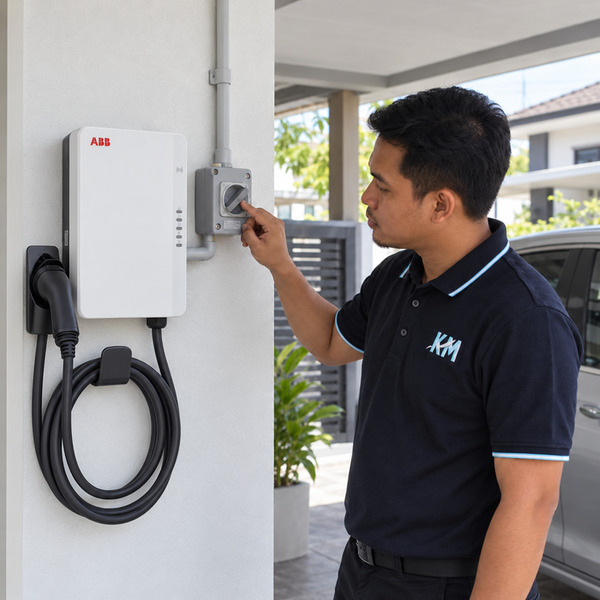
Why Does an EV Charger Keep Tripping?
An EV charger can operate continuously for several hours and may place a significant load on the electrical circuit. If the circuit, wiring or protection is not suitable for the charging requirements, the electricity supply may trip during use.
Possible causes include:
- Electrical load exceeding the circuit capacity
- MCB rating that is not suitable for the charging load
- Current leakage detected by the RCCB
- Loose or overheated electrical connections
- Damaged or unsuitable wiring
- Moisture entering outdoor electrical equipment
- A fault involving the EV charger or charging cable
The exact cause cannot be confirmed from the trip alone. The charging circuit and related equipment should be checked before deciding which component needs attention.
Is the MCB Causing the EV Charger to Trip?
An MCB protects the electrical circuit against excessive current and short circuits. If the charging load exceeds the circuit capacity, the MCB may disconnect the supply.
An MCB may also trip if there is a fault involving the cable, connection or electrical equipment connected to the circuit. Replacing the MCB with a higher rating without checking the cable size and circuit design is not a suitable solution.
The MCB rating, cable size, charger capacity and installation method should be considered together. A higher-rated protective device must not be installed simply to prevent repeated tripping.
Why Does the RCCB Trip During EV Charging?
An RCCB is designed to disconnect the electricity supply when it detects current leakage. If the RCCB trips during charging, the problem may involve the charger, cable, wiring, moisture or another electrical fault on the circuit.
The type and condition of the protective device should also be considered according to the EV charger requirements and the existing electrical installation.
Repeatedly resetting an RCCB without identifying the source of the leakage may expose users and equipment to unnecessary risk.
📲 Need help identifying the cause? WhatsApp us to book EV charger troubleshooting service.
Does the Charger Trip Only After Charging for Some Time?
If the trip happens only after the vehicle has been charging for several minutes or hours, the problem may be related to continuous electrical load, overheating or a connection that becomes unstable as the charging period increases.
The inspection may include checking:
- The charger power rating
- The charging current setting
- The dedicated circuit and cable size
- The condition of the MCB and RCCB
- Connections at the DB box, isolator and charger
- Signs of heat or discolouration
- The electrical load used at the same time
For general information about charger capacity and electrical requirements, refer to our home EV charger wiring guide.
Can Other Electrical Appliances Cause the Trip?
Other high-powered electrical equipment being used at the same time may increase the total load of the property. Air conditioners, water heaters, electric ovens and other equipment can contribute to a higher overall demand.
However, a higher total load does not automatically mean that the electricity supply must be upgraded. The actual electrical requirements, existing supply capacity and load distribution should be checked before any recommendation is made.
Should You Reset the MCB or RCCB?
A protective device may be reset once after the EV charger has been safely disconnected. If it trips again, stop using the charger and arrange an electrical inspection.
Do not continue resetting the device, replace it with a higher rating or bypass the protective system. Avoid using the charger if there is a burning smell, unusual heat, visible damage, water exposure or abnormal sound.
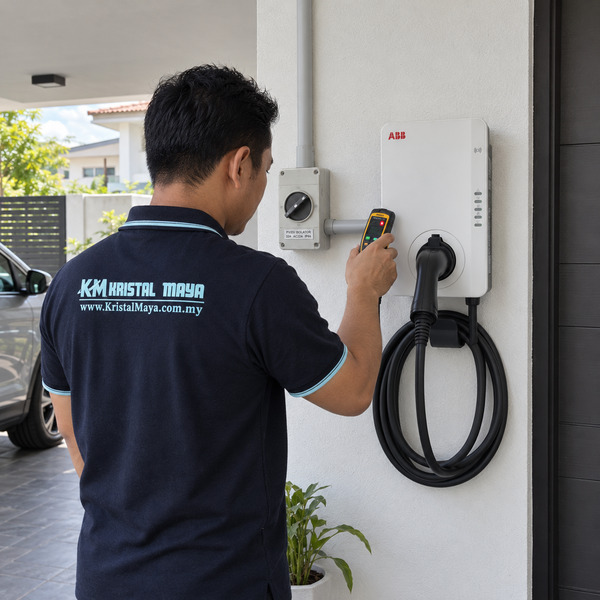
What Will Be Checked During an Inspection?
The inspection depends on the symptoms and the existing installation. It may include the EV charger, isolator, dedicated circuit, DB box and relevant protective devices.
The contractor may check:
- Whether the charger has a dedicated electrical circuit
- The condition and rating of the MCB and RCCB
- The cable size and wiring route
- The isolator and electrical connections
- Possible current leakage or insulation problems
- Signs of overheating or loose connections
- The charger specifications and charging settings
If repair or improvement is required, the suitable work should be based on the actual cause rather than replacing components without proper testing.
For professional installation and wiring work, refer to our EV charger wiring service.
Frequently Asked Questions
Why does my EV charger trip immediately?
An immediate trip may involve a short circuit, current leakage, unsuitable protection, a wiring fault or a problem with the charger. Testing is required to identify the cause.
Why does the charger trip after several hours?
The problem may be associated with continuous electrical load, overheating, a loose connection or a circuit that is not suitable for the charging requirements.
Can I install a higher-rated MCB?
Not without checking the cable size, circuit design and charger requirements. Installing a higher-rated MCB on unsuitable wiring can create an electrical safety risk.
Does an EV charger need a dedicated circuit?
Many fixed EV charger installations require a dedicated circuit with suitable wiring and protection. The requirements depend on the charger and the existing electrical system.
Need Help With an EV Charger That Keeps Tripping?
Stop using the charger if the protective device repeatedly trips or if there are signs of heat, damage, moisture or a burning smell. An inspection can determine whether the problem involves the charger, wiring, MCB, RCCB or electrical load.
📲 Need EV charger troubleshooting or wiring service? WhatsApp us to arrange a visit.